Research
housing, inequality and democracy.
My research examines how public policies and the institutions that run them shape who gets access to housing, wealth and political voice in American cities.
Current work
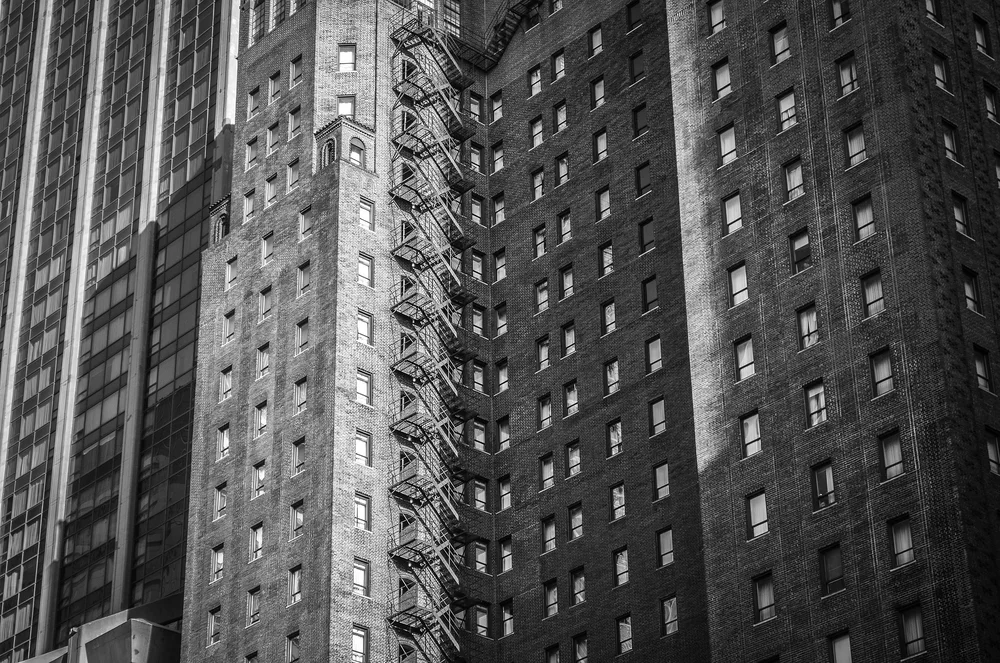
the voucher lottery.
The Housing Choice Voucher program helps more than two million households find decent, affordable housing on the private market. But unlike many federal anti-poverty programs, it is not an entitlement: only about one-quarter of income-eligible households receive assistance. Drawing on in-depth interviews at housing authorities across the country, I examine how agencies craft waitlists, set local priorities, select families and monitor tenants and landlords, and what those choices mean for poverty governance and the social safety net.
This project became my book, The Housing Lottery (University of Chicago Press, 2026).

diversifying the donor pool.
In 2015, Seattle voters created a taxpayer-funded Democracy Voucher program to finance municipal elections. With Jennifer Heerwig (Stony Brook University), I study how the program changed who participates in local campaign finance. Our paper in Urban Affairs Review found that candidates once relied on a small number of high-dollar donors concentrated in a handful of neighborhoods. Our research on the voucher program shows it brought in a larger, more diverse pool of donors, though contributors still don’t fully mirror the Seattle electorate.
The work led to our book, Democracy Vouchers and the Promise of Fairer Elections in Seattle (Temple University Press, 2024). I also led a report on DC’s Fair Elections program, which provides matching funds in local elections.
Earlier research
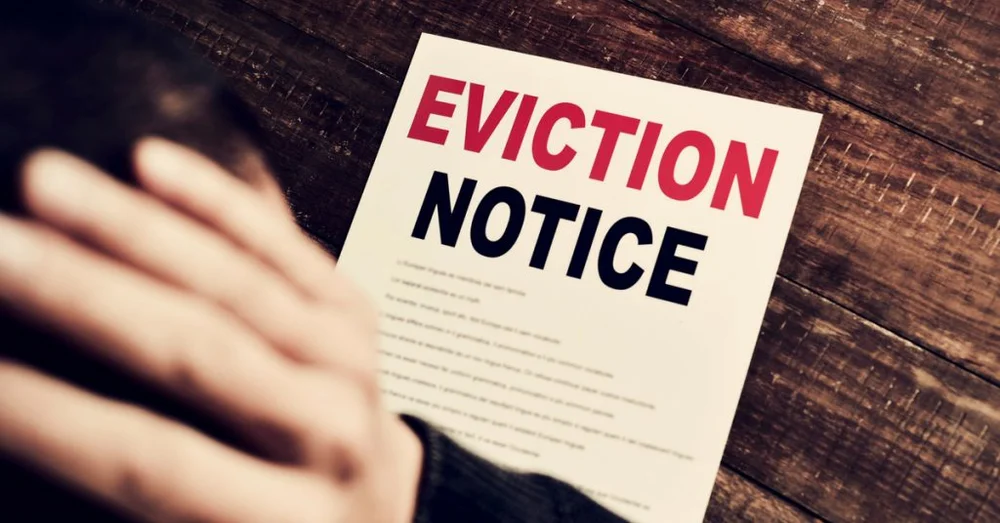
equity and eviction in washington, dc.
In 2018, more than 31,000 eviction notices were filed in the Landlord and Tenant Branch of the DC courts. Tenants receiving notices were disproportionately African American, and very few appeared in court with legal representation. With funding from the Meyer Foundation, this project with Eva Rosen (McCourt School of Public Policy) codes and geocodes DC court records to map where filings occur, with the goal of helping policymakers craft more equitable responses to eviction and housing instability.

the sociology of homeownership.
Building on my first book, No Place Like Home, three papers explore why Americans value homeownership. In Sociology of Race and Ethnicity, I show that African Americans and Latinos are more likely than whites to cite social status and wealth-building as reasons to buy. In Sociological Science, I show that mortgage default has a social life: people who know someone who defaulted hold more negative expectations about the housing market. In Housing Policy Debate, a survey experiment shows that support for the mortgage interest deduction falls most when people learn it fails to help households on the margins become owners.
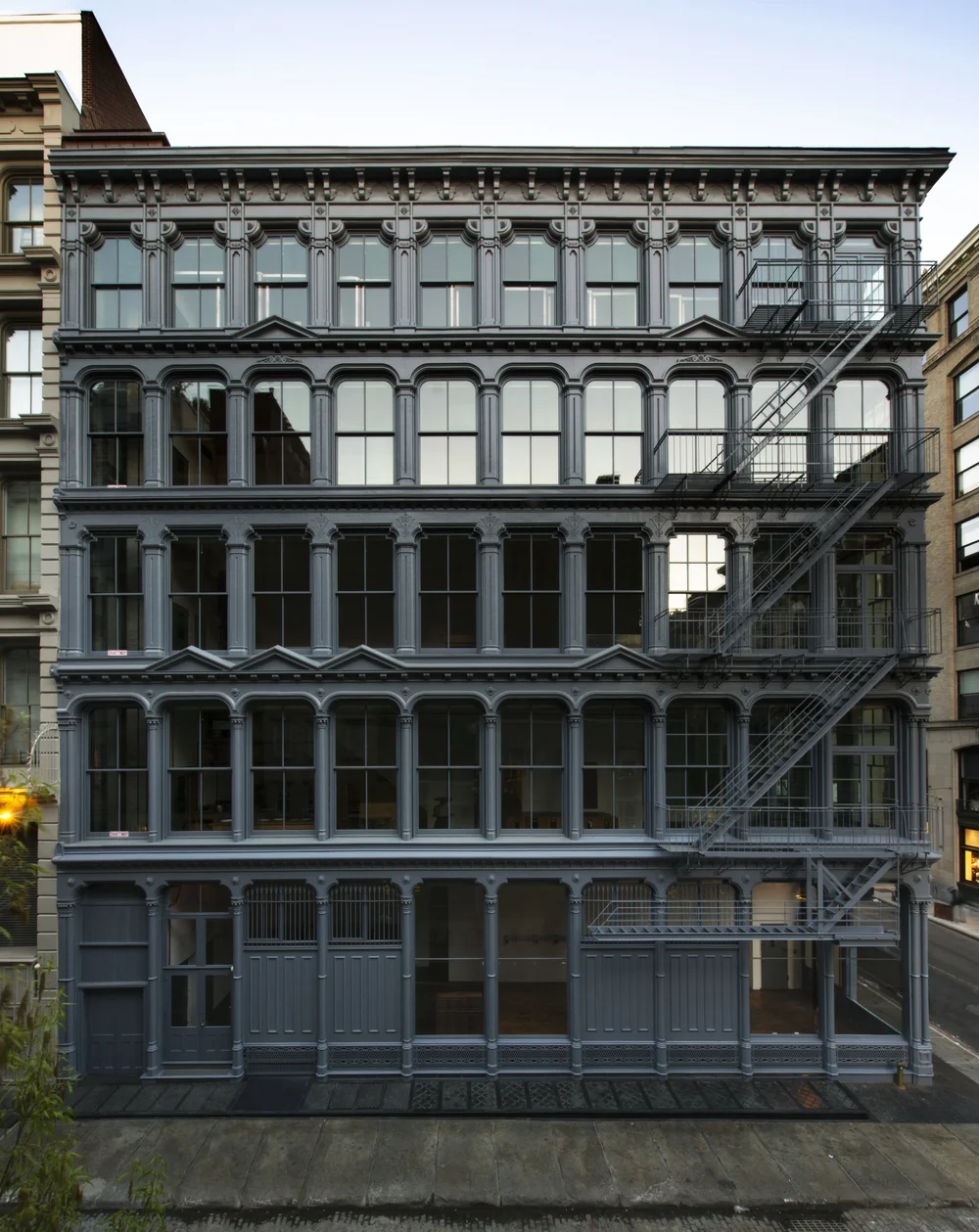
historic preservation and gentrification.
Since 1965, New York’s Landmarks Preservation Commission has designated more than 100 historic districts. With colleagues at NYU’s Furman Center, I study the consequences. In the Journal of Urban Economics, we find designation raises property values outside Manhattan but has little effect inside it. In the Journal of the American Planning Association, we find preservation raises a neighborhood’s socioeconomic status without evidence of racial turnover. A chapter in Evidence and Innovation in Housing Law and Policy (Cambridge, 2017) measures the development capacity lost through preservation.
more on google scholar.
Find my full list of articles, chapters and reports, or download my CV.